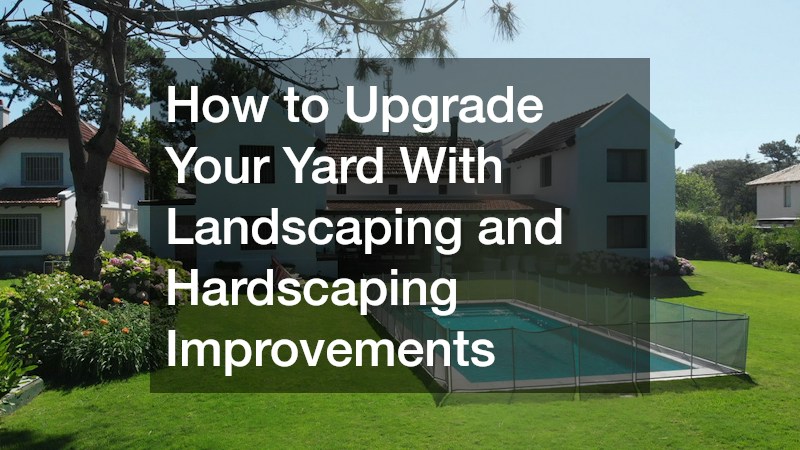
A well-planned yard can make a home more functional. Outdoor spaces often need several improvements. Landscaping, paving, fencing, lighting, irrigation, soil preparation, and pool features all work together, so homeowners can benefit from thinking about the entire property before starting individual projects.
Upgrading a yard does not always require rebuilding everything at once. Some improvements can be completed in phases, beginning with grading, soil, and drainage before moving to planting, hardscaping, lighting, or recreational areas. Looking at the property as one connected space can help homeowners avoid conflicts and make smarter decisions about materials and placement. A coordinated plan can also make it easier to create distinct areas for dining, entertaining, swimming, gardening, and everyday relaxation without making the yard feel crowded or disconnected.
Start With the Ground and Soil
Successful outdoor improvements begin with the condition of the ground. Before installing patios, walkways, planting beds, lawns, or pool features, homeowners should understand how water moves across the property and whether the soil can support the planned improvements. Poor drainage, compacted soil, and uneven grading can create problems long after the visible work is finished.
Topsoil may be needed when existing soil lacks the depth, structure, or organic matter necessary to support healthy grass and plants. Adding quality soil can improve planting conditions, but it should be placed carefully so that drainage patterns are not unintentionally changed. In some areas, soil amendments may also be appropriate depending on the needs of the landscape.
Grading is equally important. Water should move away from the home, paved areas, and other structures instead of collecting in low spots. Homeowners planning a residential landscape installation should address drainage and soil preparation before planting begins. This can reduce erosion and improve plant establishment.
The ground also needs to support hardscape elements. Patios, retaining walls, paths, and other features may require compacted base material beneath the finished surface. Skipping this preparation can contribute to settling or movement. Starting with the ground gives every later improvement a more reliable foundation and can reduce the need to disturb finished areas for corrective work.
Define Outdoor Areas With Hardscaping
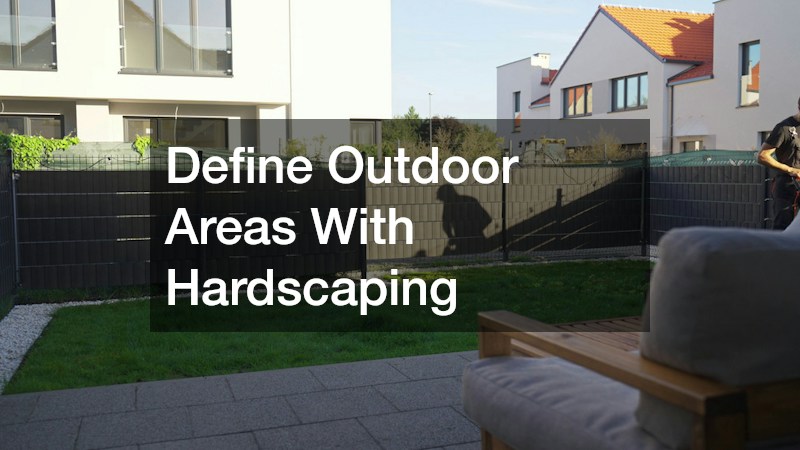
Hardscaping can give an outdoor space structure and make different areas easier to use. Patios, paths, retaining walls, steps, edging, and seating areas help organize the yard while providing durable surfaces for movement and gathering.
Homeowners comparing hardscaping supplies should consider more than color and appearance. Pavers, stone, gravel, blocks, and other materials should be chosen based on the conditions where they will be installed. Freeze-thaw cycles, drainage, foot traffic, vehicle traffic, and maintenance expectations can all affect which products are suitable.
The layout should also reflect how people naturally move through the property. Paths that connect doors, gates, patios, gardens, and pool areas should feel direct and comfortable. A walkway that forces people to take an awkward route may eventually lead to worn shortcuts through lawns or planting beds.
Retaining walls can create usable levels on sloped properties and may help manage erosion when properly designed. Raised beds, low garden walls, and edging can also define spaces without visually closing them off.
When larger paved surfaces are part of the plan, paving contracting can help coordinate grading, base preparation, drainage, and installation. A patio or walkway should complement the landscaping rather than compete with it. Using a consistent palette of materials throughout the yard can help separate functional zones while still creating a unified overall appearance.
Create a Landscape That Fits Daily Life
Plants can soften hard surfaces, provide shade, create privacy, and add seasonal interest. However, a landscape should be designed around the way a household actually uses the yard. Attractive plants placed in unsuitable locations can quickly become difficult to maintain.
A residential landscape installation may include trees, shrubs, perennials, groundcovers, and turf, along with soil preparation and bed creation. Plant selection should account for sunlight, mature size, water requirements, root behavior, and local growing conditions. Choosing plants based only on how they look at installation can create overcrowding or maintenance problems as they mature.
Homeowners should also think about visibility. Lower plantings may work well near walkways or play areas where clear sightlines are useful, while taller shrubs can create privacy around seating areas. Trees can provide valuable shade but should be positioned with future growth in mind so branches and roots do not interfere with structures, pavement, or utilities.
Grouping plants with similar water needs can simplify irrigation and reduce waste. Mulch can help retain soil moisture, moderate temperature, and limit weed growth in planting beds. Leaving enough room between plants for mature growth also improves air circulation and reduces frequent pruning.
A practical landscape balances beauty with maintenance. Families who prefer lower-maintenance yards may choose fewer plant varieties and larger groupings, while enthusiastic gardeners may want more detailed beds. The right approach depends on homeowners’ maintenance preferences.
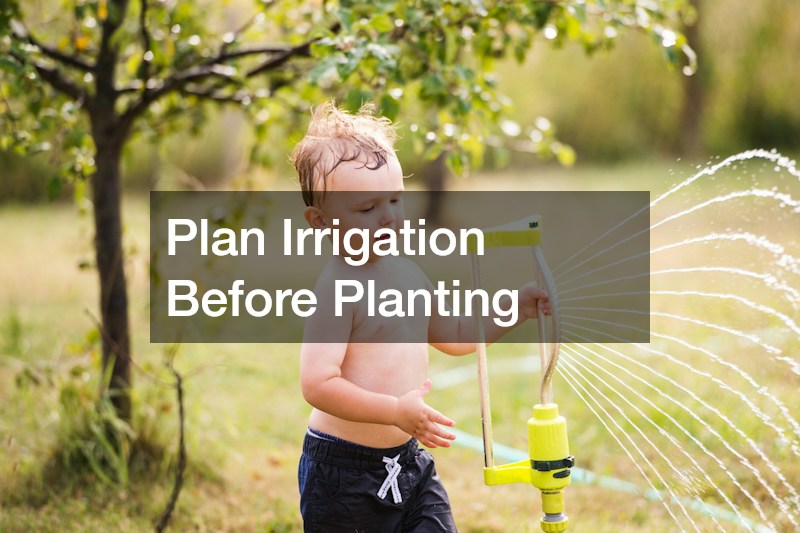
Plan Irrigation Before Planting
Watering is easier when irrigation is designed around the finished landscape instead of added after plants and hardscape are already in place. Different parts of a yard may need different amounts of water, and the system should reflect those variations.
Sprinkler systems can divide the property into zones based on plant type, sunlight, soil, and exposure. Lawn areas may require different watering schedules than shrubs, trees, or flower beds. Proper zoning allows homeowners to adjust watering more precisely rather than applying the same amount everywhere.
Sprinkler head placement is another important consideration. Water should reach the intended landscape without repeatedly spraying siding, fences, walkways, or patios. Overspray can waste water and may contribute to staining or unnecessary moisture around structures. Drip irrigation may be useful in beds where water can be delivered closer to plant roots.
Homeowners should also plan for future changes. A new patio, fence, pool, or planting bed can interfere with existing irrigation lines. Installing or modifying irrigation before surface work can reduce the chance that finished areas will need to be reopened later.
Regular inspections help maintain efficiency. Broken heads, clogged nozzles, leaks, and misaligned spray patterns can create dry spots or excessive watering. Seasonal adjustments are also important because plants may need less water during cooler or wetter periods. Thoughtful irrigation supports plant health while making the landscape easier to maintain.
Improve Safety and Atmosphere With Lighting
Lighting can extend the hours an outdoor space remains useful while also improving visibility along paths, stairs, gates, and gathering areas. A good lighting plan uses different types of fixtures for different purposes instead of relying on a few extremely bright lights.
Landscape lighting services can help homeowners identify areas where illumination would improve safety, function, or appearance. Path lights can define walking routes, step lights can make elevation changes easier to see, and task lighting can support outdoor cooking or dining. Accent lighting may highlight trees, walls, water features, or architectural elements.
Placement matters because poorly aimed fixtures can create glare or shine into windows. Lighting should generally illuminate surfaces and destinations rather than shine directly into people’s eyes. Fixtures near pools and wet areas should also be selected and installed with those conditions in mind.
Timers, photocells, and smart controls can simplify operation. Homeowners may want some lights to turn on automatically at dusk while keeping decorative fixtures on separate controls. Motion-activated lights may be useful near gates, side yards, or service areas that do not need continuous illumination.
Energy-efficient fixtures can reduce ongoing operating costs, but durability is also important. Outdoor lighting must withstand moisture, temperature changes, and landscaping activity. Coordinating lighting with planting and hardscape plans helps keep wiring protected and prevents future excavation from damaging established beds or finished surfaces.
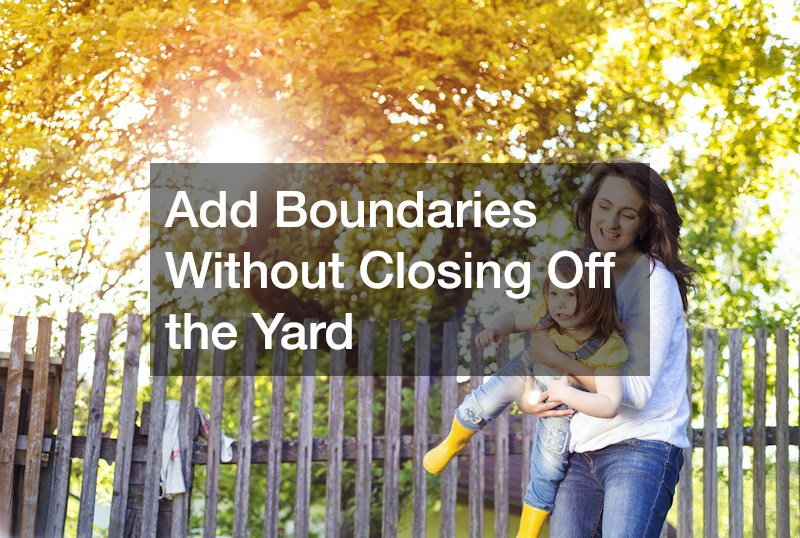
Add Boundaries Without Closing Off the Yard
Fencing can improve privacy, security, and organization while creating clear boundaries between different parts of the property. The right design should support the yard’s function without making the outdoor space feel unnecessarily confined.
Fence builders can help homeowners compare wood, vinyl, aluminum, composite, and other materials based on maintenance, appearance, privacy, and durability. Solid fencing may be appropriate where privacy is the priority, while open styles can preserve views and airflow.
Gate placement should be planned around everyday movement. Gates should align with walkways and access points rather than forcing people through planting beds or around obstacles. Wider gates may also be useful where lawn equipment, wheelbarrows, or future construction equipment need access.
Fences near pools may have additional safety and code requirements, so those details should be considered early in the planning process. A fence installed before pool work or major excavation could also restrict equipment access, making project sequencing important.
Landscaping can soften the appearance of long fence lines. Shrubs, ornamental grasses, and climbing plants may help integrate fencing into the yard, but homeowners should leave enough room for maintenance and inspection. Vegetation should not hide damaged posts, loose panels, or gate hardware.
A carefully placed fence can define spaces without visually dividing the entire yard. Using transitions, plantings, and coordinated materials can help the boundary feel like part of the overall landscape design.
Create a Pool Area That Works With the Landscape
A pool can become a central feature of the yard, but it should be planned as part of the entire outdoor environment. Placement affects sunlight, privacy, drainage, circulation, landscaping, and how easily people can move between the house and pool area.
An in ground swimming pool installation requires coordination because excavation, utility work, decking, fencing, and landscaping may all be involved. Homeowners should establish equipment access and complete disruptive work before installing nearby planting beds or finished surfaces whenever possible.
The pool interior and edges also contribute to the appearance. A pool tiling company can help replace worn tile or install a new design that coordinates with coping, decking, and surrounding hardscape. Tile selection should account for water exposure and the visual style of the outdoor space.
Decking around the pool should provide circulation and enough room for furniture without creating narrow paths. Existing concrete may not always need complete replacement. Pool deck concrete refinishing services can update worn or dated surfaces when the underlying deck remains suitable for restoration. Refinishing may improve appearance while extending the useful life of the existing surface.
Shade, seating, storage, and nearby landscaping can make the pool area more comfortable. Plants should be chosen carefully to limit excessive debris, aggressive roots, or thorns near frequently used areas. Integrating the pool with the rest of the yard creates a more cohesive space for everyday use and entertaining.

Coordinate Projects for Better Long-Term Results
Outdoor renovations often work best when homeowners establish a logical sequence before construction begins. Projects that involve excavation, grading, underground lines, or heavy equipment should generally happen before delicate landscaping and finished surfaces. This reduces the risk that completed work will need to be removed or repaired.
A practical sequence may begin with drainage and grading, followed by pool or utility work, structural hardscaping, irrigation, fencing, planting, and lighting. The exact order will vary based on the property, but planning dependencies can prevent avoidable delays.
Material coordination is also useful. Homeowners choosing hardscaping supplies can compare those finishes with pool tile, fencing, and exterior materials before purchasing. Repeating compatible colors and textures can make separate improvements feel connected even when they are completed at different times.
Maintenance should be considered during design as well. Access to sprinkler valves, pool equipment, gates, lighting controls, and planting beds should remain clear. Narrow spaces that are difficult to mow or clean may create unnecessary work, while plants placed too close to hardscape can eventually interfere with paths and walls.
Homeowners can also phase projects according to budget without losing sight of the larger plan. A master layout makes it easier to complete one section at a time while preserving space for future improvements.
The most successful yard upgrades balance appearance with practical use. Soil preparation supports healthy plants, irrigation keeps landscapes manageable, hardscaping organizes movement, lighting extends usability, fencing defines boundaries, and pool improvements create another place for recreation. When these elements are planned together, the yard can feel more polished and purposeful while remaining flexible enough to meet changing household needs over time.