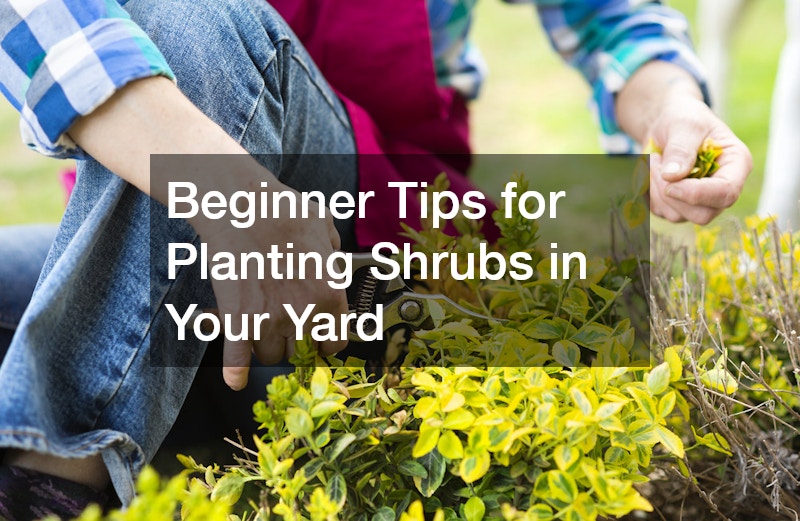
Planting shrubs in your yard can significantly enhance the overall aesthetics and increase the environmental benefits of your outdoor space. Shrubs serve various functional roles, from acting as natural screens that provide privacy to serving as vibrant backyard focal points. Beyond the visual pleasure they offer, shrubs also contribute positively to air quality, reducing erosion, and supporting local biodiversity.
Getting started with shrub planting might seem daunting for beginners, but with the right guidance, it can be a highly rewarding endeavor.
What Are the Best Shrubs for Beginners to Plant?
Understanding Your Climate Zone
Before selecting shrubs for your yard, it’s crucial to determine your local climate zone. The USDA Plant Hardiness Zone Map is an invaluable resource that can help you identify which plants are most likely to thrive in your area. Knowing your climate zone can prevent the disappointment of planting shrubs that are not suited to your environmental conditions. Regional climates can greatly affect a shrub’s growth, flowering periods, and overall health.
Low-Maintenance Shrubs
For beginners, opting for low-maintenance shrubs is an excellent way to ease into gardening. Shrubs like the Wax Myrtle, Boxwood, and Dwarf Alberta Spruce are known for their resilience and minimal care requirements. These plants are robust and can adapt to different soil types and light conditions. Focusing on low-maintenance varieties allows you to learn and enjoy the gardening process without feeling overwhelmed.
Flowering Versus Foliage Shrubs
When selecting shrubs for your yard, consider whether you prefer flowering varieties or those prized for their distinctive foliage. Flowering shrubs like Azaleas and Hydrangeas offer vibrant blooms that can be a visual delight during blooming season. Conversely, foliage shrubs such as the Japanese Maple provide striking leaves with a range of colors that accentuate landscapes year-round. Deciding between these types involves considering both aesthetic preferences and the kind of visual impact you wish to create in your garden.
How to Prepare Your Yard for Planting Shrubs?
Soil Testing and Preparation
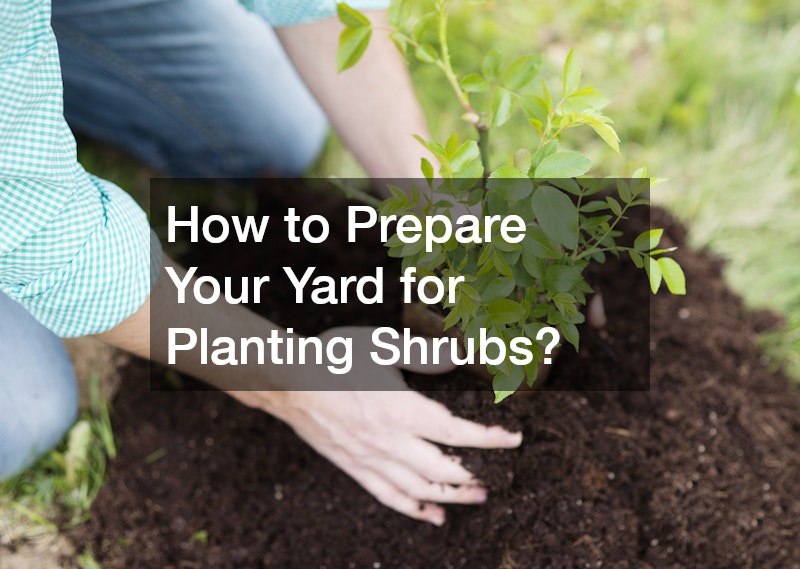
Preparing the soil is a critical step in fostering healthy shrub growth. A soil test gives vital information about the pH level, nutrient availability, and texture of your soil, guiding you on necessary amendments. For many shrubs, slightly acidic to neutral pH levels provide optimal growing conditions. Adding organic compost not only improves soil fertility but also enhances drainage, essential for root development.
Choosing Planting Locations
Identifying suitable spots for planting is pivotal in ensuring shrubs receive adequate light and space to grow. Consider the sun exposure each area of your yard receives throughout the day. While some shrubs thrive in full sunlight, others do better in shaded spots. Additionally, evaluate surrounding structures and plants to plan for adequate spacing, preventing overcrowding as plants mature.
Tools and Materials Needed
Having the right tools and materials on hand simplifies the planting process. Essential gardening tools include a spade, garden fork, gloves, and a watering can or hose with a spray nozzle. Additional materials like mulch and soil amendments are crucial for supporting new shrub growth.
How to Care for Newly Planted Shrubs?
Watering Guidelines
Newly planted shrubs require proper watering to establish strong root systems. Initially, water daily for the first week, tapering off as the shrub becomes established. It’s important to avoid overwatering, which can lead to root rot, so ensure that the soil is moist but not waterlogged. After the establishment period, most shrubs benefit from a deeper weekly watering, as opposed to light, frequent applications.
Fertilization Essentials
While new shrubs might not require immediate fertilization, providing nutrients during the growing season can support robust growth. Use a balanced, slow-release fertilizer suitable for shrubs, adhering to application instructions to avoid over fertilizing. Spring is generally the best time to fertilize, replenishing nutrients that the soil lost during winter. Organic fertilizers, such as compost, provide additional benefits by enhancing soil structure.
Pest and Disease Management
Diseases and pests pose challenges to shrub health, so maintaining vigilance is key. Regularly inspect leaves and stems for signs of fungal infections, aphids, or caterpillars. Removing affected leaves and applying appropriate organic or chemical treatments can keep infestations in check. Encouraging beneficial insects like ladybugs and introducing companion plants can naturally deter harmful pests.
Planting shrubs might seem complex at first, but with the right preparation and care, it becomes a fulfilling gardening achievement. Key considerations like choosing climate-appropriate, low-maintenance shrubs and understanding their growth habits lay a solid foundation for success. Embark on your gardening journey with confidence, knowing your efforts will yield beautiful and sustainable results.