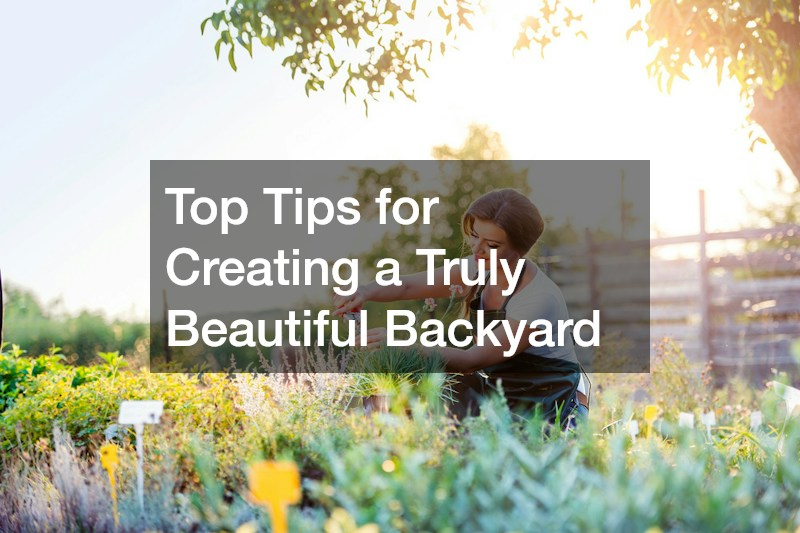
Stepping outside after a long day of notifications, traffic, and fluorescent lighting should feel like an immediate exhale. Yet for many homeowners, the backyard feels less like a sanctuary and more like an unfinished chore list—a patch of uneven grass, a glaring concrete slab, or a narrow yard overlooked by neighboring windows. When an outdoor space lacks visual boundaries, comfortable transitions, and sensory balance, you naturally retreat indoors.
Creating a peaceful yard does not require an estate-sized lot or an extravagant budget. True serenity outdoors comes from intentional design: blocking visual distractions, softening hard edges with natural textures, layering gentle movement and sound, and making the threshold between house and garden effortless to cross. When every element serves a clear purpose—from filtering harsh afternoon sun to guiding footsteps toward a shaded reading chair—the property feels cohesive and restorative.
By breaking the transformation into structural layers, you can turn a plain suburban lawn into a calming retreat. From establishing overhead canopy and acoustic privacy to anchoring gathering zones with natural stone and fragrant perennials, here is how to bring together a serene living space in your yard.
Block Unwanted Sightlines and Street Noise with Acoustic-Friendly Boundaries
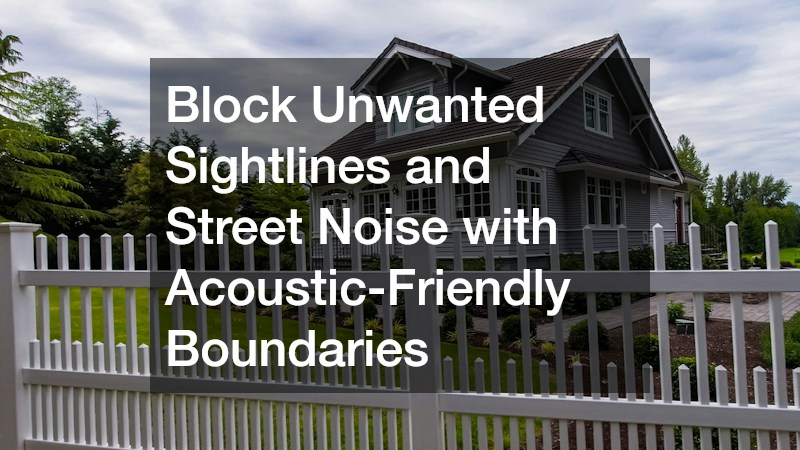
Relaxation is difficult when you feel like you are sitting on a stage. Before choosing lounge furniture or decorative planters, establish an enclosure that shields your yard from street noise, utility boxes, and neighboring sightlines. A solid six-foot wall can make a modest yard feel boxed in, while an open chain-link perimeter leaves you exposed. Calming boundaries filter wind, soften ambient noise, and allow dappled light through without sacrificing privacy.
- Choose warm, tactile wood profiles: Western red cedar and thermally modified ash age into soft silver-gray tones that blend with garden foliage rather than competing with it.
- Use horizontal slats or shadowbox construction: Alternating boards on opposite sides of the stringers blocks direct views from neighboring patios while permitting cooling cross-breezes.
- Layer greenery along the base: Planting narrow upright evergreens or espaliered shrubs along a boundary’s inside edge softens vertical lines and absorbs traffic sounds.
- Mind local height ordinances and setback rules: Corner lots and sloped yards often carry municipal restrictions dictating where taller screening panels can sit.
Working with experienced fence services ensures post footings sit below the frost line, gates swing cleanly without sagging, and horizontal lines stay level across uneven terrain. A well-built perimeter acts as a quiet architectural frame for your garden.
Shape Overhead Shade for Dappled Light and Breeze
Horizontal privacy is only half of the equation; overhead shelter gives an outdoor room its intimate atmosphere. Mature trees cool the air beneath their branches through evapotranspiration while introducing the soothing sound of rustling leaves. Even on warm summer afternoons, a well-shaped canopy creates natural microclimates where you can read or rest comfortably without harsh overhead glare.
- Thin dense crowns selectively: Rather than topping mature trees, selective crown thinning removes crossing interior branches so dappled sunlight reaches the seating area below.
- Lift lower limbs for clear sightlines: Raising the lowest branches to eight or nine feet opens views across the garden while maintaining a lush green ceiling overhead.
- Inspect root zones before digging nearby: Soil compaction or trenching within a tree’s critical root zone can trigger slow decline years after a renovation finishes.
Consulting certified tree services early in your planning protects existing canopy, removes hazardous deadwood safely, and shapes mature limbs so your yard feels sheltered rather than overgrown.
Anchor Lounging and Dining Areas with a Level, Permeable Foundation
When a yard consists of a single stretch of lawn or one oversized slab, the eye has nowhere to rest. Dividing your outdoor living area into distinct zones starts with giving your primary gathering space a stable, slip-resistant floor that dries quickly after rain and feels comfortable underfoot. Glare-heavy white concrete feels clinical in full sun, whereas matte, earth-toned surfaces ground the space visually.
- Favor permeable interlocking pavers or tumbled natural stone: Subtle color variations in warm limestone, bluestone, or charcoal pavers disguise fallen leaves and eliminate harsh afternoon glare.
- Size the footprint to real furniture dimensions: Allow at least three feet of clearance behind dining chairs so guests can pull back comfortably without stepping into a planting bed.
- Prioritize subsurface drainage and base compaction: A compacted crushed aggregate base and a slight grade away from your home’s foundation prevent puddles and frost heave.
Investing in professional patio installation gives your primary gathering space clean border restraints, level joints that keep table legs steady, and structural stability through seasonal temperature swings.
Guide Foot Traffic Slowly Through the Garden with Curved Pathways

Straight, narrow sidewalks rush people from point A to point B, reinforcing a hurried mindset even when you are trying to unwind. Gently curving walkways invite you to slow your pace, notice seasonal blooms, and experience the garden from shifting angles as you move between a morning coffee nook, an outdoor dining space, and a shaded lounge.
- Widen primary garden paths to at least four feet: Two people should walk side by side comfortably without brushing against wet foliage.
- Soften hard edges with organic joint materials: Setting flagstones or architectural pavers in crushed granite, river pebbles, or creeping thyme blurs the boundary between hardscape and garden.
- Illuminate low-profile edges subtly: Recessed downward-facing path lights spaced unevenly along curves prevent glare while keeping evening strolls safe.
Partnering with a reputable paving company helps you execute smooth radius curves, flush transitions between surface materials, and durable edge restraints that keep gravel and pavers separated for decades.
Eliminate Awkward Drop-Offs with Low-Profile Platforms and Built-In Seating
Even a thoughtfully landscaped yard goes unused if stepping out to it feels awkward. When your home’s main floor sits two or three feet above yard level, a traditional narrow staircase creates an abrupt visual and physical break. Multi-level platforms step the architecture down gently into the landscape so moving outdoors feels natural.
- Design wide, wrap-around landing steps: Steps spanning ten or twelve feet wide with deep treads double as casual seating during gatherings and eliminate bottlenecks at the back door.
- Integrate perimeter bench seating instead of bulky railings: Where local codes permit low platform heights under thirty inches, built-in wood benches define the perimeter without blocking garden views.
- Choose low-maintenance decking boards with hidden fasteners: Capped composite boards in muted driftwood or warm cedar tones resist splintering, fading, and mildew without annual staining.
Hiring a skilled deck builder allows you to incorporate flush picture-frame borders, subtle under-rail LED lighting, and concealed structural framing that connects your interior living room to the lawn below.
Extend Your Outdoor Season with a Light-Filled, Bug-Free Transition Room
Exposure to intense midday sun, sudden rain showers, or evening mosquitoes often keeps homeowners looking through the kitchen window instead of stepping outside. In regions with humid summers or crisp autumn evenings, a sheltered intermediate zone increases how often you enjoy fresh air by letting you listen to rain on the roof or read beside the garden in comfort.
- Maximize glass-to-frame ratios: Floor-to-ceiling windows or retractable screen walls preserve uninterrupted views of your trees and flower beds.
- Add natural warmth overhead: Tongue-and-groove cedar or pine ceiling planks paired with a quiet ceiling fan bring cozy acoustics and gentle air circulation.
- Specify thermally broken frames and low-emissivity glass: High-performance glazing blocks ultraviolet rays that fade cushions while keeping temperatures comfortable in spring and fall.
Working with an experienced sunroom contractor ensures new rooflines, exterior trim, and foundation piers integrate cleanly with your home’s architecture so the addition looks intentional rather than tacked on.
Introduce Natural Stone Retaining Walls and Low-Smoke Fire Features

Once boundaries, ground planes, and transition structures are in place, introducing permanent elements like natural stone and fire anchors the yard’s emotional tone. Vertical stonework brings immediate permanence and texture to flat suburban lots, and even an eighteen-inch stone seat wall creates subtle elevation changes that make a yard feel layered and established.
- Use dry-stacked or mortared regional stone: Selecting fieldstone, granite, or limestone native to your region ensures the stonework harmonizes with local soil and light conditions.
- Position fire features downwind from primary seating: Placing a circular stone hearth at least fifteen feet from the house and away from overhanging branches keeps smoke from drifting toward open windows.
- Incorporate a sunken air-intake liner: Modern double-wall steel inserts tucked inside custom stonework superheat rising air to burn off wood smoke before it escapes, letting you relax without shifting chairs.
Skilled masonry services can craft custom curved seat walls, weather-resistant stone hearths, and textured garden pillars that anchor your outdoor living room with timeless craftsmanship.
Incorporate Architectural Water Basins and Smooth, Modern Accents
Few sensory details calm a busy mind faster than the gentle sound of moving water. Beyond its meditative rhythm, a small recirculating water feature masks distant highway hum, air conditioner condensers, and neighborhood chatter while giving the space year-round visual weight even when winter leaves fall.
- Opt for low-splash bubbling bowls or spillways: A shallow basin where water wells up over river stones produces a soft trickle without losing excessive water to wind spray or evaporation.
- Balance rough stone with clean architectural lines: Pairing organic garden plantings with sleek poured seat walls, oversized stepping pads, or a minimalist rectangular water trough creates visual contrast.
- Request integral pigments and matte sealers: Coloring structural mixes with earth-toned mineral oxides during batching prevents surface chipping from showing, while penetrating matte sealers protect against moisture without gloss.
Collaborating with knowledgeable local concrete contractors gives you access to custom formwork, fiber-reinforced mixes engineered for seasonal durability, and crisp architectural finishes tailored to your yard’s dimensions.
Layer Soil Grading, Drip Irrigation, and Low-Maintenance Structural Plantings
Hardscapes provide structure, but living plants breathe softness, seasonal change, and quiet vitality into a serene backyard. Nothing ruins backyard tranquility faster than wilting shrubs or spending Saturday mornings dragging heavy hoses across the lawn. Setting up healthy soil and automated hydration behind the scenes keeps your garden thriving effortlessly.
- Follow a three-tier planting structure: Place evergreen shrubs like boxwood or inkberry holly at the back for winter structure; weave swaying ornamental grasses like feather reed grass through the middle for movement; and finish borders with spreading perennials.
- Amend compacted clay or sandy topsoil generously: Incorporating two to three inches of screened leaf compost before planting improves root oxygenation and moisture retention.
- Install subterranean drip irrigation with smart weather sensors: Delivering water directly to root zones reduces evaporation by up to fifty percent and prevents fungal leaf spots caused by overhead sprinklers.
Partnering with a trusted local landscaping service streamlines soil preparation, clean bed edging, mulch installation, and calibrated drip zoning so plantings establish deep, resilient root systems quickly.
Engage Touch and Scent with Aromatic Herbs and Curated Container Gardens

To make your yard feel truly restorative, place tactile and fragrant plants where you brush past them or sit down to unwind. Subtle natural aromas trigger relaxation far more effectively than synthetic candles or sprays, turning a quiet corner into a multi-sensory sanctuary.
- Cluster aromatic perennials near seating and paths: English lavender, trailing rosemary, lemon verbena, and creeping thyme release calming essential oils whenever a breeze passes or your hand brushes the leaves.
- Group planters in odd-numbered clusters of varying heights: Combining weathered terracotta, glazed ceramic, and fiberstone pots on patio corners softens right angles and lets you swap seasonal blooms easily.
- Include evening-blooming and pollinator-friendly varieties: White nicotiana, star jasmine, and coneflowers bring soft twilight fragrance and gentle motion from visiting butterflies and hummingbirds.
Browsing independent plant stores allows you to inspect root health firsthand, compare mature foliage textures in person, and choose regionally adapted cultivars suited to your yard’s sun and shade patterns.
Transforming an ordinary yard into a peaceful retreat does not have to happen in a single construction sprint. Approaching your outdoor living space in thoughtful phases often produces a more personal result because you can observe how afternoon shadows move across the lawn and where your family naturally gravitates throughout the day.
Start with the foundational bones first: establish perimeter privacy, care for mature overhead trees, and grade primary ground surfaces so water drains cleanly away from the house. Once those structural elements are settled, layer in comfortable seating, a focal hearth or quiet water basin, and deeply rooted perennial beds that grow richer every season.
By prioritizing sensory calm, durable craftsmanship, and effortless flow between indoors and out, your yard becomes more than curb appeal. It becomes a daily refuge—a quiet, living extension of home waiting just beyond the back door whenever you need to slow down and recharge.