
Remodeling a home is often viewed as a creative and exciting process, but it is just as much a strategic and technical undertaking. Many homeowners begin with clear visual goals yet underestimate how many decisions happen behind the scenes. These overlooked details— often called blind spots— are rarely intentional, but they can lead to delays, unexpected expenses, or long-term performance issues. Even experienced homeowners can fall into the trap of focusing too heavily on finishes while ignoring systems, logistics, and sequencing.
Blind spots tend to appear when assumptions replace research or when certain parts of the home feel “out of sight, out of mind.” Structural components, infrastructure, and coordination between trades are easy to overlook when excitement is high. This article breaks down the most common remodeling blind spots homeowners encounter and explains how to avoid them. By understanding where problems typically arise, you can make more informed decisions and protect both your investment and your peace of mind.
Evaluating Product Quality Beyond Surface-Level Appeal

One of the most common remodeling blind spots is assuming that all products with a similar appearance perform the same way. Homeowners are naturally drawn to finishes that look good in showrooms or online photos, but real-world conditions are very different from controlled displays. Moisture, daily wear, temperature changes, and cleaning routines all affect longevity. Choosing the wrong building materials can lead to premature deterioration, even if the installation itself is done correctly.
Another overlooked factor is how materials interact with the rest of the home. Some surfaces require specific substructures, while others may react poorly to nearby heat sources or humidity. Failing to account for these variables can result in warping, cracking, or frequent repairs. Asking about warranties, testing samples in natural light, and understanding maintenance expectations are all essential steps. A beautiful product that fails early often costs far more in the long run than a slightly higher upfront investment in quality.
Before making final selections, homeowners should take time to evaluate materials beyond appearance. Helpful considerations include:
- Expected lifespan under typical household use
- Maintenance requirements and cleaning limitations
- Manufacturer reputation and warranty coverage
- Compatibility with existing structural conditions
Taking these steps helps ensure that aesthetic choices align with practical performance. Once materials are chosen with long-term use in mind, they become assets rather than liabilities. Thoughtful evaluation reduces regrets and ensures the remodel continues to look and function well years after completion.
Planning for Heavy Access and Equipment Logistics Early
Many remodeling plans focus heavily on design layouts but overlook how work will physically happen on-site. Large tools, deliveries, and temporary storage all require space, access, and protection. When machinery moving is not considered early, homeowners may face damaged driveways, cracked walkways, or interior floors that were never meant to handle heavy loads. These issues often arise because logistics are treated as an afterthought instead of a planning priority.
Access challenges can also slow progress significantly. Narrow hallways, low ceilings, or limited exterior entry points can restrict how equipment is brought in and out. If these constraints are discovered mid-project, crews may need to disassemble equipment or adjust workflows, leading to delays and added labor costs. Planning ahead allows contractors to identify alternate access points or schedule deliveries more efficiently.
To avoid these problems, homeowners should coordinate logistics planning before construction begins. Important questions to address include:
- Where will large tools and materials be staged?
- How will floors, walls, and exterior surfaces be protected?
- Are there weight limits for certain areas of the home?
- Will temporary access paths or protective coverings be needed?
By resolving these questions early, homeowners reduce the risk of accidental damage. Clear logistics planning keeps the project moving smoothly and minimizes stress throughout the remodel.
Identifying Hidden Structural Risks Above the Ceiling Line
Roof-related issues are often overlooked because they are not immediately visible during interior remodeling. Homeowners may assume that if there are no active leaks, the roof does not require attention. However, small problems such as aging materials or compromised flashing can worsen once construction vibrations and environmental exposure increase. Ignoring roof repair needs can result in water damage to newly finished interiors.
Another blind spot is failing to coordinate roof inspections with remodeling timelines. If roofing issues are discovered after ceilings are closed or insulation is installed, repairs become far more invasive. Moisture intrusion can compromise framing, drywall, and even electrical systems. Addressing these risks early protects both structural integrity and interior investments.
A proactive approach includes scheduling inspections before major work begins. Homeowners should consider:
- The age and condition of existing roofing materials
- Signs of moisture intrusion or inadequate ventilation
- Whether upcoming renovations will alter roof loads or drainage
- Timing repairs to align with favorable weather conditions
Handling roof concerns early ensures that interior improvements are not undermined by hidden vulnerabilities. Structural stability above the ceiling line is just as critical as visible finishes below it.
Coordinating Climate Systems With Layout and Usage Changes
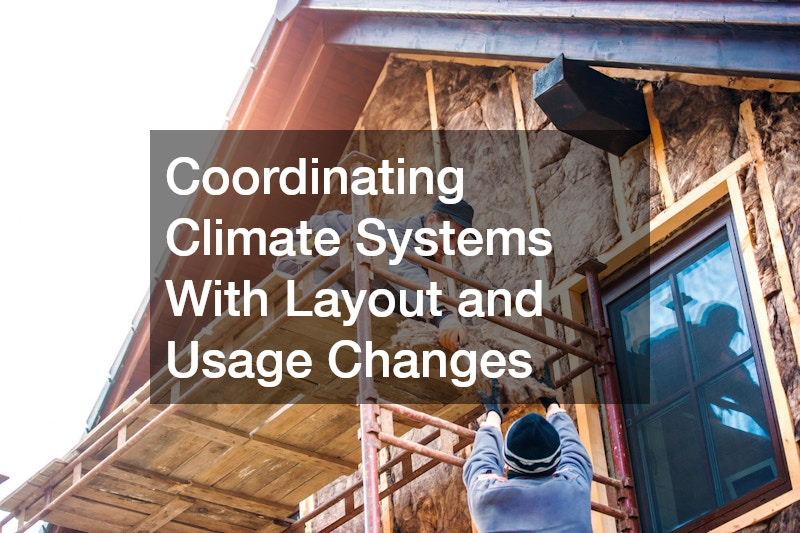
When walls are moved or rooms are added, heating and cooling needs change as well. One of the most common blind spots is assuming the existing system will automatically adapt to a new layout. Without proper evaluation, homeowners may experience uneven temperatures, higher energy bills, or increased wear on equipment. Scheduling HVAC Service too late often means cutting into finished walls or ceilings to make corrections.
Airflow patterns, duct placement, and system capacity all need to be reevaluated during remodeling. Even small layout changes can disrupt how air circulates through a home. Ignoring these factors can result in rooms that are consistently uncomfortable, regardless of thermostat settings. These issues often surface only after the project is complete, when fixes are more expensive.
Early coordination helps avoid these problems. Homeowners should plan for:
- Load calculations based on new room sizes and uses
- Duct modifications before walls are closed
- Vent placement that aligns with furniture and traffic flow
- Future system maintenance accessibility
Addressing climate control early ensures comfort and efficiency. A remodel should enhance livability, not introduce new daily frustrations.
Preserving Outdoor Areas During Interior Construction
Remodeling activity doesn’t stop at the front door. Foot traffic, material storage, and equipment staging can all damage outdoor spaces if they are not protected. Many homeowners overlook the cumulative impact of construction on lawns, gardens, and soil quality. Once damaged, these areas often require extensive lawn treatment to recover fully.
Soil compaction from repeated foot traffic can prevent grass from regrowing properly. Chemical spills, debris, and shading from equipment can further stress plants. Without a plan, outdoor damage may not become apparent until weeks after construction ends, when recovery becomes more difficult and costly.
Protecting exterior spaces requires proactive measures such as designated pathways and temporary barriers. Homeowners should consider:
- Marking no-access zones for landscaping
- Using protective mats over grass and soil
- Scheduling cleanup immediately after major construction phases
- Coordinating restoration efforts in advance
Preserving outdoor areas maintains curb appeal and prevents additional post-project expenses. Thoughtful planning ensures that interior improvements do not come at the expense of exterior health.
Clarifying Responsibility and Communication With Project Leaders
Miscommunication is a major source of remodeling stress. Homeowners often assume that contractors will automatically manage every detail, while contractors may expect homeowners to make timely decisions or approvals. When expectations are unclear, delays and disputes follow. Clear communication with home builders is essential to avoiding these issues.
Another blind spot is failing to document decisions. Verbal agreements can be forgotten or misunderstood, especially on long projects with many moving parts. Without written confirmation, disagreements over scope or cost can escalate quickly. Consistent communication protocols help keep everyone aligned.
Effective collaboration starts with clarity. Homeowners should establish:
- Defined roles and points of contact
- Written scopes of work and timelines
- Procedures for handling changes or surprises
- Regular progress check-ins
Strong communication creates accountability and trust. When responsibilities are clearly defined, projects move forward with fewer surprises and less stress.
Addressing Drainage Problems Before Walls and Floors Are Finished
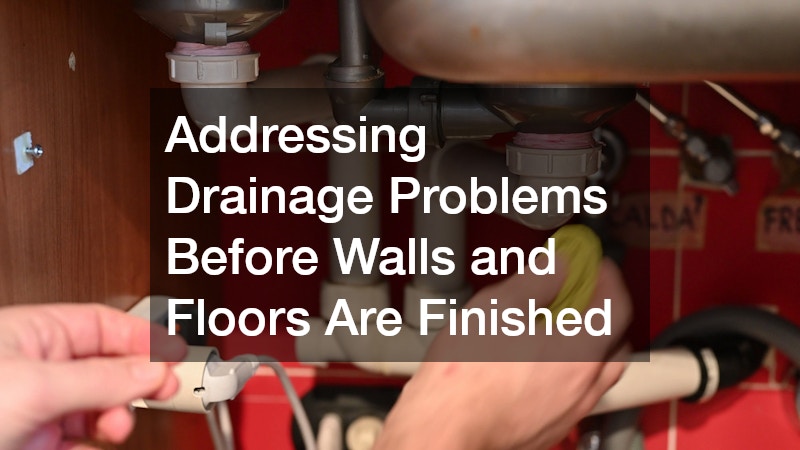
Plumbing systems often receive less attention than visible upgrades, yet they are critical to daily function. One common blind spot is assuming that existing pipes can handle new fixtures or increased usage. Undetected buildup or damage can lead to backups that require intervention from hydro jetting specialists after finishes are installed.
Drainage issues are especially problematic because they often reveal themselves suddenly. A slow drain can quickly turn into a major overflow, damaging cabinetry, flooring, and walls. Addressing these risks before surfaces are installed prevents costly tear-outs later.
Homeowners should take proactive steps such as:
- Inspecting drain lines for buildup or deterioration
- Testing flow capacity with new fixture plans
- Ensuring access points remain reachable after remodeling
- Scheduling preventative maintenance during construction
By resolving drainage concerns early, homeowners protect their investment and reduce the likelihood of emergency repairs. Plumbing reliability is foundational to a successful remodel.
Using Decorative Architectural Elements Without Compromising Durability
Decorative elements add character, but they can introduce problems if chosen without understanding their limitations. Lightweight options like architectural foam are popular for their affordability and visual impact, yet they require careful placement and installation. Using them in high-impact or moisture-prone areas can lead to damage or premature failure.
Another blind spot is assuming decorative elements are maintenance-free. Exposure to weather, heat, or frequent contact can degrade finishes over time. Without proper sealing or support, decorative features may warp, crack, or detach. These issues often arise after the initial excitement of installation fades.
To use decorative elements successfully, homeowners should:
- Match materials to appropriate environments
- Confirm installation methods meet manufacturer guidelines
- Plan for maintenance and periodic inspections
- Balance aesthetics with structural considerations
Thoughtful application ensures decorative features enhance the home rather than creating future repair needs. Design choices should always support long-term durability.
Making Informed Decisions About High-Impact Surface Investments
Premium surfaces often represent a significant portion of a remodeling budget. One blind spot is selecting them late in the process, after cabinetry or layouts are finalized. This can limit options or require compromises that affect performance. A granite countertop, for example, requires proper support and planning to perform well over time.
Weight, edge profiles, and seam placement all influence durability. Failing to coordinate these factors early can result in stress points or aesthetic inconsistencies. Maintenance expectations are also often underestimated, leading to disappointment if care requirements are not met.
Early planning helps maximize value. Homeowners should consider:
- Structural support requirements
- Long-term maintenance needs
- Usage patterns and wear expectations
- Coordination with other design elements
By integrating surface decisions into early planning stages, homeowners avoid costly adjustments. High-impact surfaces should feel like thoughtful investments, not rushed decisions.
Preventing Post-Remodel Plumbing Emergencies

Even well-executed remodels can leave behind hidden debris in plumbing lines. Construction dust, adhesives, and residue often find their way into drains during installation. Without preventative drain cleaning, these materials can accumulate and cause blockages shortly after project completion.
Post-remodel plumbing issues are especially frustrating because they occur when homeowners expect to enjoy their new space. Backups can damage finishes and disrupt daily routines. These problems are preventable with proper final inspections and maintenance planning.
A smart post-project approach includes:
- Flushing systems before final handoff
- Inspecting drains for construction debris
- Scheduling routine maintenance after heavy use periods
- Educating homeowners on proper system care
Taking these steps protects newly finished spaces and ensures a smooth transition back to everyday life. Prevention is far easier than emergency repairs.
Remodeling is rarely just a construction project— it is a series of interconnected decisions that affect how a home functions for years to come. The blind spots homeowners encounter are not caused by a lack of care or effort, but by the sheer number of variables involved. When attention is focused primarily on finishes and layouts, it becomes easy to overlook systems, logistics, and sequencing that quietly support the final result. Recognizing these blind spots early allows homeowners to shift from a reactive mindset to a proactive one.
One of the most important takeaways from any remodeling experience is that prevention is almost always more affordable than correction. Issues related to structure, access, airflow, drainage, and coordination tend to compound when left unaddressed. What begins as a minor oversight can quickly escalate into delays, budget overruns, or compromised performance. By asking the right questions early and involving the appropriate professionals at the right stages, homeowners protect both their investment and their timeline.
A successful remodel also depends heavily on communication and documentation. Clear expectations, written agreements, and consistent check-ins help ensure that everyone involved is working toward the same goals. When homeowners take an active role in understanding the process— not just the end result— they are better equipped to make informed decisions and adapt when unexpected challenges arise. This level of engagement often leads to smoother projects and fewer regrets once construction is complete.
Ultimately, remodeling should enhance how a home feels, functions, and supports daily life. Avoiding common blind spots makes it far more likely that the finished space delivers lasting comfort, efficiency, and satisfaction. With thoughtful planning, realistic expectations, and attention to both visible and hidden details, homeowners can turn a complex renovation into a confident and rewarding experience— one that stands the test of time rather than revealing problems after the dust settles.