When a traumatic event, unattended death, crime scene, or hazardous contamination occurs, the aftermath can be overwhelming. Beyond the emotional impact, there is the practical question many people face: how much does biohazard cleanup cost? The answer depends on several factors, including the size of the affected area, the type of contamination, and the level of remediation required.
Understanding the pricing structure of professional biohazard cleanup helps property owners prepare financially and make informed decisions during stressful situations.
What Is Biohazard Cleanup?
Biohazard cleanup involves the safe removal, sanitization, and disposal of biological contaminants. These contaminants may include:
-
Blood and bodily fluids
-
Human or animal waste
-
Unattended death decomposition
-
Crime scene residue
-
Hoarding-related contamination
-
Infectious disease exposure
-
Industrial accidents
Professional biohazard cleanup companies follow strict safety standards, including personal protective equipment, containment procedures, and proper disposal methods.
Average Cost of Biohazard Cleanup
The cost of biohazard cleanup varies widely depending on the severity of the situation. On average, homeowners can expect:
-
Small localized cleanup: $1,000 to $2,500
-
Moderate contamination: $2,500 to $7,500
-
Large or severe cases: $7,500 to $25,000 or more
Pricing is typically calculated per hour, per technician, or per square foot. Some companies charge between $200 and $600 per hour depending on complexity.
Every biohazard cleanup case is unique, which is why on-site evaluations are often required before a final estimate is provided.
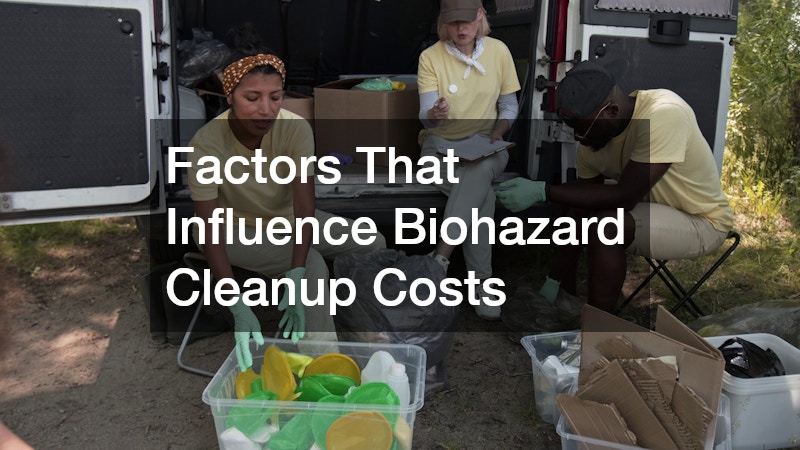
Factors That Influence Biohazard Cleanup Costs
Several variables impact the total cost of biohazard cleanup.
1. Size of the Affected Area
The larger the contaminated area, the more labor and materials are required. A small room may cost significantly less than an entire home affected by decomposition or widespread contamination.
2. Type of Biohazard
Not all biohazards carry the same risk level. Cleanup involving infectious diseases, heavy decomposition, or hazardous waste requires more advanced containment and protective measures.
Higher-risk contamination often increases biohazard cleanup costs due to:
-
Specialized equipment
-
Advanced sanitization chemicals
-
Extended labor time
-
Additional safety protocols
3. Level of Structural Damage
In some cases, contamination seeps into porous materials such as:
-
Carpeting
-
Drywall
-
Subflooring
-
Furniture
-
Insulation
When materials must be removed and replaced, biohazard cleanup costs rise significantly. Structural demolition and reconstruction add to the overall expense.
4. Disposal Fees
Biohazardous materials must be transported and disposed of according to federal, state, and local regulations. Disposal fees vary by region and may be included in the total invoice.
Licensed biohazard cleanup companies follow strict waste tracking procedures to ensure compliance.
5. Emergency or After-Hours Service
Many biohazard situations require immediate response. Emergency services, nights, weekends, and holiday calls often carry premium pricing.
6. Location and Accessibility
If contamination occurs in hard-to-access areas such as crawlspaces, attics, or vehicles, additional labor time may be required.
Urban areas may have higher biohazard cleanup rates compared to rural regions due to operational costs.
Does Insurance Cover Biohazard Cleanup?
In many cases, homeowners insurance policies may cover biohazard cleanup if the incident falls under covered events such as:
-
Crime scenes
-
Accidental death
-
Vandalism
-
Certain medical emergencies
However, coverage varies by policy. It is important to contact your insurance provider promptly to determine eligibility.
Professional biohazard cleanup companies often assist with insurance claims documentation, providing detailed reports and photos.
Why Professional Cleanup Is Necessary
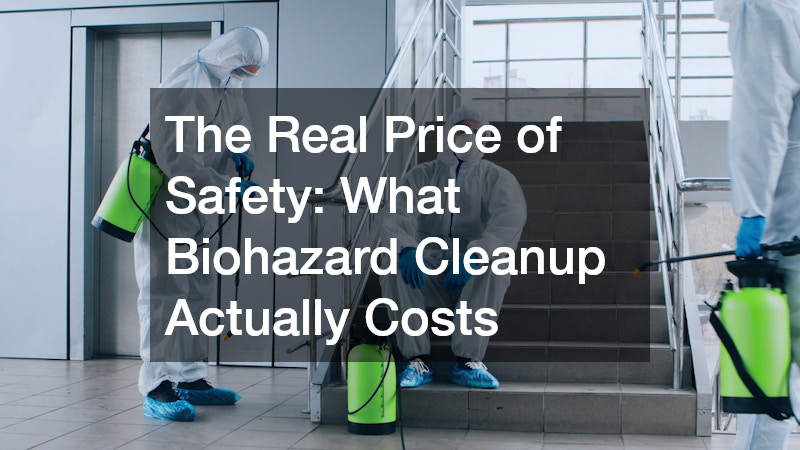
Attempting to clean a biohazard scene without proper training is dangerous. Bloodborne pathogens and bacteria can pose serious health risks.
Professional biohazard cleanup teams use:
-
Personal protective equipment
-
Hospital-grade disinfectants
-
Air filtration systems
-
Proper containment barriers
-
OSHA-compliant safety protocols
Beyond safety, professionals ensure that all contaminated materials are fully removed and the area is restored properly.
Hidden Costs to Consider
While initial quotes may focus on visible contamination, hidden damage can increase final costs. Odor removal, air purification, and structural repairs may be required.
Some advanced biohazard cleanup situations include:
-
Ozone treatment
-
Thermal fogging
-
Deep structural sanitization
-
HVAC system cleaning
A thorough inspection helps identify potential additional expenses.
Choosing the Right Biohazard Cleanup Company
Not all companies are qualified for trauma or hazardous cleanup. When selecting a provider, verify:
-
Proper licensing
-
Insurance coverage
-
OSHA compliance
-
Experience with similar cases
-
Transparent pricing
-
24-hour availability
A reputable biohazard cleanup company will provide clear communication and compassionate service during difficult circumstances.
Final Thoughts
The cost of biohazard cleanup depends on multiple factors, including contamination severity, structural impact, and disposal requirements. While prices may range from a few thousand dollars to significantly more in complex cases, professional remediation ensures safety, compliance, and proper restoration. Attempting to handle biohazard cleanup alone can result in health risks and incomplete decontamination. Investing in certified professionals provides peace of mind and ensures the affected space is safely returned to livable condition.