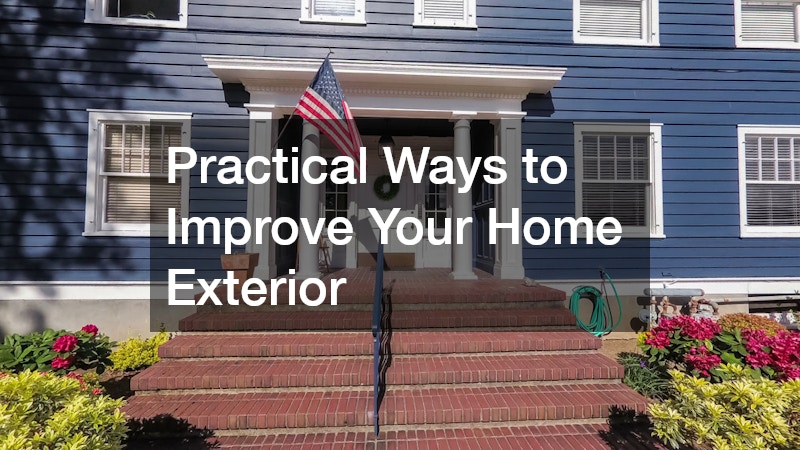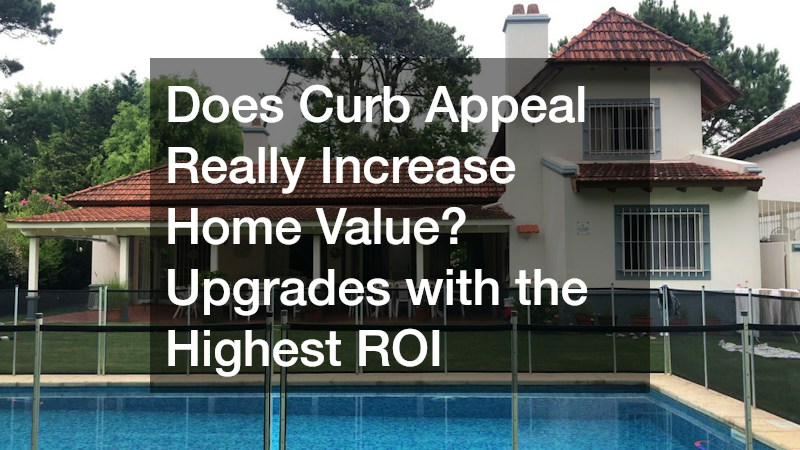
When prospective buyers pull up to a property, their evaluation begins long before they step over the threshold. Within the first eight to ten seconds of standing on the curb, an observer forms a subconscious judgment about the home’s overall condition, monetary worth, and level of care. This immediate reaction is the driving force behind curb appeal—a term frequently used in real estate circles that represents far more than superficial polish.
Extensive market research from real estate valuation institutions and appraisal boards demonstrates that high curb appeal directly impacts a property’s final transaction price. Depending on market conditions, regional trends, and the initial state of the property, a well-executed exterior refresh can boost an appraisal valuation by anywhere from 5% to over 11%. On a median-priced home, that percentage translates to tens of thousands of dollars in equity.
Beyond forcing appreciation, a crisp exterior reduces market friction. Homes with strong aesthetic appeal attract higher foot traffic, generate more competitive bidding wars, and spend significantly fewer days on the market. Conversely, an neglected facade immediately prompts buyers to discount their offer price, anticipating hidden deferred maintenance inside the structure.
The Financial Mechanics of First Impressions
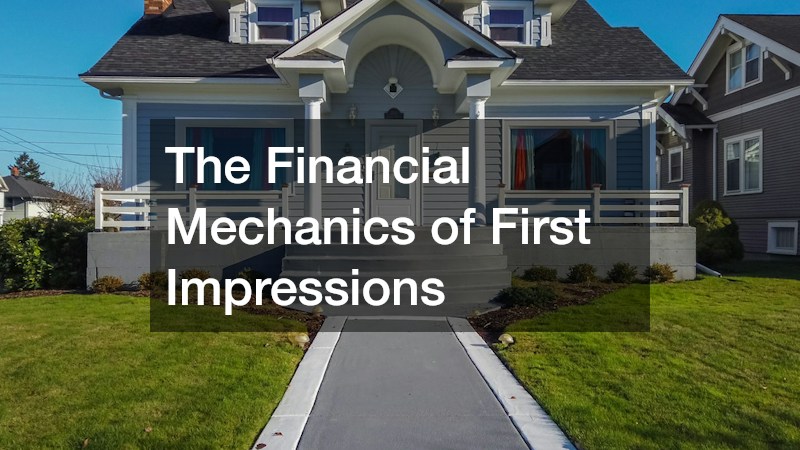
Understanding how buyers and appraisers assign financial value to an exterior starts with separating emotional appeal from physical assessment. An appraiser evaluates a property using objective criteria, including the remaining functional life of major components, material quality, and comparative market sales. Prospective buyers, however, evaluate a home through a blend of emotional resonance and perceived future costs.
When a buyer sees chipped paint, sagging rain gutters, or a weathered roof, their mind does not merely subtract the cost of a simple fix. Instead, they apply a psychological penalty. They assume that if visible components are neglected, hidden systems—such as electrical wiring, plumbing, and HVAC units—have been equally ignored. This perception leads to aggressive lowball offers or laundry lists of repair credits requested during escrow.
When a property is in pristine or updated condition, buyers form an immediate emotional connection and feel a sense of urgency, resulting in full price or above-asking offers. An average or wearable exterior keeps buyers analytical and cautious, typically yielding standard market-value offers. Conversely, a neglected or flawed exterior triggers fear of hidden structural issues, leading to steep lowball offers or requests for extensive repair credits.
To achieve the highest return on investment, project selection should follow a clear hierarchy. Essential protective envelope items must be prioritized before investing in purely cosmetic enhancements. A beautifully landscaped front yard will not compensate for visible water damage along the eaves or a roof past its operational lifespan.
Primary Envelope Enhancements: Modern Siding Upgrades
The cladding of a home serves as its primary visual canvas. Because siding encompasses the majority of a building’s exterior surface area, updating or modernizing worn wall materials yields one of the highest cost-to-value returns in residential remodeling. Modern siding materials offer superior insulation, low maintenance, and sharp visual contrast that can transform a dated design into a contemporary standout.
In recent years, architectural trends have shifted away from uniform, flat vinyl panels toward multi-textured facades. Incorporating board-and-batten profiles, natural stone veneers, or dark accent paneling adds visual depth and highlights architectural features such as gables, dormers, and porticos.
Modern exterior cladding delivers elevated insulation performance that improves thermal resistance and cuts utility costs. It offers low maintenance overhead by resisting warping, insect damage, rot, and fading from UV exposure. Additionally, high aesthetic versatility allows mixed material textures to give traditional structures a custom, high-end look.
When updating exterior cladding, material choice dictates long-term return. Incorporating a batten board metal panel on accent walls or gables creates a striking architectural contrast while delivering low-maintenance durability that lasts for decades. Combining vertical line profiles with contrasting horizontal siding creates an illusion of height and structure, making smaller ranch-style or cottage homes appear larger from the street.
Roof Integrity and Aesthetic Overhead Protection
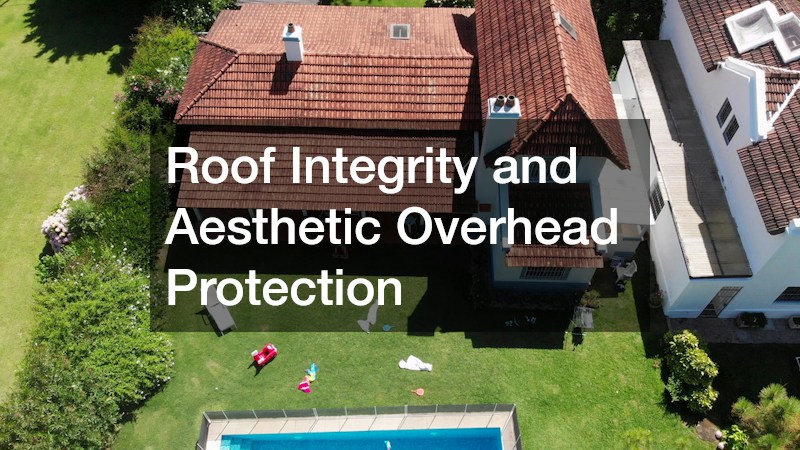
The roof accounts for up to 40% of a home’s visible exterior profile. A stained, curling, or missing shingle arrangement instantly compromises the visual integrity of the entire property, regardless of how pristine the lawn or front porch may be. From an appraisal perspective, a roof near the end of its useful life represents an immediate deduction from the home’s baseline valuation.
Homeowners planning to sell within three to five years face a crucial choice between targeted repairs and full tear-off replacements. If the underlying structure is sound and the material is within its expected service window, addressing localized damage can restore visual appeal at a fraction of full replacement costs.
During a pre-listing roof evaluation, assess whether the current layer is approaching its manufacturer lifespan rating. Check gutters for excessive mineral shedding, which indicates granule loss and material degradation. Inspect rubber boots, valley metals, and chimney flashing for rust or cracking. Finally, look along the ridge line for sags that suggest underlying decking issues.
Hiring a licensed roofer to perform a pre-listing inspection ensures hidden flashing leaks are resolved before buyers bring in their own inspectors. Taking a proactive approach eliminates unexpected surprises during contract negotiations. Furthermore, addressing minor roof repairs early prevents water staining on exterior soffits, preserving the home’s overall visual appeal and structural safety.
Advanced Roofing Materials and Long-Term Value Creation
For properties in mid-to-high price tiers, traditional asphalt three-tab shingles are increasingly viewed as a bare-minimum standard. Homeowners seeking higher equity returns are turning to advanced roofing solutions, such as architectural dimensional shingles, standing-seam steel, and clay or slate composites. These premium choices offer superior wind resistance, energy efficiency, and extended longevity.
Metal roofing accents have become particularly popular in modern farmhouse and transitional architecture. Adding standing-seam metal canopies over front porches, bay windows, or garage overhangs creates a premium focal point that elevates the overall design.
Standard three-tab asphalt shingles typically carry a lifespan of 15 to 20 years with moderate maintenance needs, serving as an expected baseline for buyers. Architectural shingles expand that lifespan to 25 or 30 years with lower maintenance, providing an upgraded and desirable option. Standing seam metal roofing offers a 40 to 70 year lifespan with extremely low maintenance, creating a high-value, premium perception among prospective buyers.
Performing timely metal roof repair on porch overhangs ensures modern steel accents maintain their sleek, high-end look without rust streaks or loose fasteners. When evaluating these structural upgrades, consulting with experienced residential roofers allows homeowners to weigh the upfront cost of premium materials against their long-term equity payoff and buyer demand in their local market.
Rain Management Systems: Moisture Protection & Trim Preservation
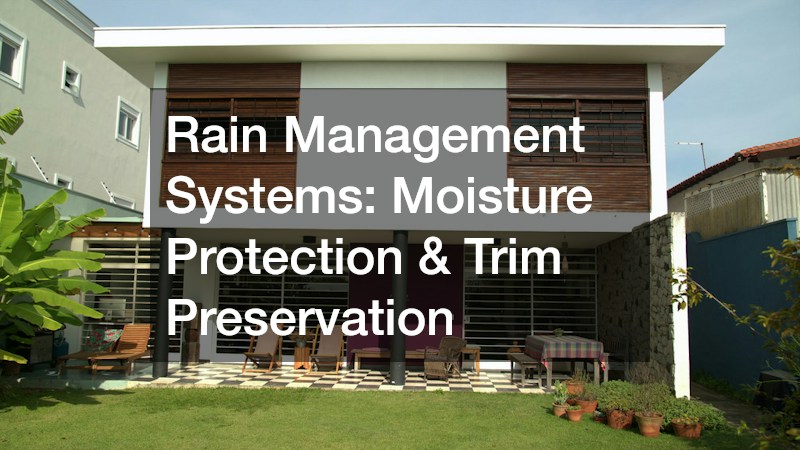
While rain gutters are primarily functional, their impact on a home’s curb appeal is substantial. Sagging, rusted, or leaking gutters leave dirty streaks down fascia boards, cause paint to peel, and create unsightly trenches in surrounding flower beds. A compromised water management system signals to buyers that runoff water may be pooling around the foundation footings.
Upgrading to seamless aluminum or copper gutter systems eliminates leaky joints and creates clean, continuous horizontal rooflines. Color-matching downspouts to the primary siding shade allows them to blend in seamlessly, while choosing contrasting metallic finishes like dark bronze or raw copper turns functional hardware into an architectural feature.
Optimizing your water management system for maximum equity requires a few key steps. Installing leaf protection covers prevents debris accumulation and stops unsightly plant growth in channels. Correcting pitch alignment ensures smooth drainage toward downspouts without mid-run standing water. Finally, extending underground discharges routes water runoff safely away from flower beds and walkways to prevent erosion.
Completing routine gutter repair eliminates unsightly water stains along fascia boards and stops overflow from washing away front-yard landscaping. Keeping water management hardware straight, clean, and fully operational protects surrounding timber framing and maintains crisp perimeter lines across the entire front elevation.
Perimeter Aesthetics: Framing the Property Line
Property enclosures act as the frame for a residential lot, setting clear boundaries while offering privacy, security, and containment for pets and children. A dilapidated or slanting boundary enclosure diminishes the overall impression of a home, whereas a well-maintained border adds structure and clean lines to the landscape.
When selecting perimeter materials, align the style with the home’s core architectural language. A rustic split-rail fence suits a country home, while a clean horizontal board layout elevates a modern or mid-century design.
Material selection plays a critical role in long-term boundary value. Natural timber options offer warm, traditional character but require routine sealing to resist rot. Low-upkeep synthetics like vinyl and composite panels deliver exceptional lifespan with zero painting requirements. Tubular steel and aluminum options provide high security and unobstructed views with minimal visual bulk.
Classic wood fences offer timeless privacy, but they require periodic staining to prevent graying and rot before going to market. Choosing a low-maintenance fencing material like high-grade composite or vinyl keeps the home looking freshly updated with minimal upkeep, appealing directly to busy buyers who prefer low-effort outdoor spaces.
Premium Enclosures & Architectural Boundary Designs
For properties where front-yard enclosure is permitted or desirable, high-end materials can transform standard boundaries into custom architectural statements. Combining masonry piers, stone retaining walls, or decorative metal panels creates an estate-like entrance that increases perceived property value.
Precision during installation is paramount when installing high-visibility boundary lines. Unlevel top rails, inconsistent post spacing, or leaning corner posts are immediately obvious from the street and signal poor workmanship to prospective buyers.
High-impact design techniques can turn standard borders into custom focal points. Incorporate built-in stone or brick planter boxes at gate openings for natural seasonal color. Pair dark metal pickets with warm cedar frames for a modern, industrial texture mix. Finally, install low-voltage post-cap lights to highlight boundary lines cleanly at night.
Installing ornamental fencing around front gardens adds a sophisticated, estate-like boundary that enhances decorative landscaping without obstructing views of the main residence. Working with established fence companies ensures post footings are set below the frost line so lines stay straight and true over decades of weather exposure and soil movement.
High-ROI Landscaping and Entryway Focal Points
Once the primary structure and boundaries are secured, attention should shift to the entry experience and surrounding landscape. The front door serves as the primary focal point of any home facade; painting or replacing a worn front door consistently yields one of the highest returns on investment in residential real estate, often recovering over 100% of its cost at sale.
When designing a landscape layout for maximum return, prioritize order, symmetry, and manageable maintenance. Overly intricate, high-maintenance garden beds can intimidate buyers who fear weekend yard work. Focus instead on crisp lawn edging, fresh mulch, and native perennial plants that deliver vibrant seasonal color with minimal watering requirements.
To create a high-yield entryway, choose a bold, high-contrast paint shade for the front entry door that complements the primary siding color. Define distinct boundaries between lawn grass, garden beds, and walkways using crisp lawn edging and fresh dark mulch. Highlight mature trees, walkways, and house textures with warm LED architectural lighting, and replace dated brass fixtures with sleek matte black or brushed nickel house numbers and hardware.
Applying the “Rule of Three” creates a balanced color scheme: select a 60% dominant shade for primary siding, a 30% secondary tone for trim and shutters, and a 10% bold accent color for the front entry door. This classic arrangement creates immediate visual harmony, guiding visitors naturally toward the entrance.
Strategic Project Prioritization for Maximum Equity
Achieving the highest possible return on investment requires a disciplined approach to planning, budgeting, and execution. Throwing money at high-end cosmetic upgrades while ignoring basic structural maintenance will rarely net a positive return. To maximize equity when preparing a home for market, follow a structured, step-by-step approach to exterior improvements.
Start with structural integrity and envelope protection by resolving active roof leaks, flashing gaps, rotting trim, and broken rain gutters. Next, focus on primary visual surfaces by addressing failing or severely discolored exterior siding, as well as restaining or repairing boundary fences and gates. Moving to focal point enhancements, refinish or paint the front entry door, upgrade outdated hardware, and replace old house numbers or lighting sconces. Finally, complete the refresh with landscape framing by defining garden bed edges, laying fresh dark mulch, pruning overgrown trees, and adding low-voltage path lighting.
By completing high-priority structural repairs before investing in visual accents, you protect your capital, eliminate buyer hesitation, and ensure every dollar spent yields a measurable increase in appraised market value.
Curb appeal is far more than a superficial marketing term; it is a fundamental driver of residential property value, buyer demand, and overall marketability. The exterior of a home tells a story about how the entire property has been maintained, cared for, and valued by its owners over time.
By focusing your time and budget on high-ROI exterior projects—such as upgrading worn siding, maintaining roof systems, installing seamless water management, framing boundaries with durable materials, and creating an inviting entryway—you build tangible home equity. Whether you are preparing to list your property in the coming weeks or simply protecting your primary financial asset for the long term, strategic exterior investments deliver reliable financial dividends and lasting pride of ownership.