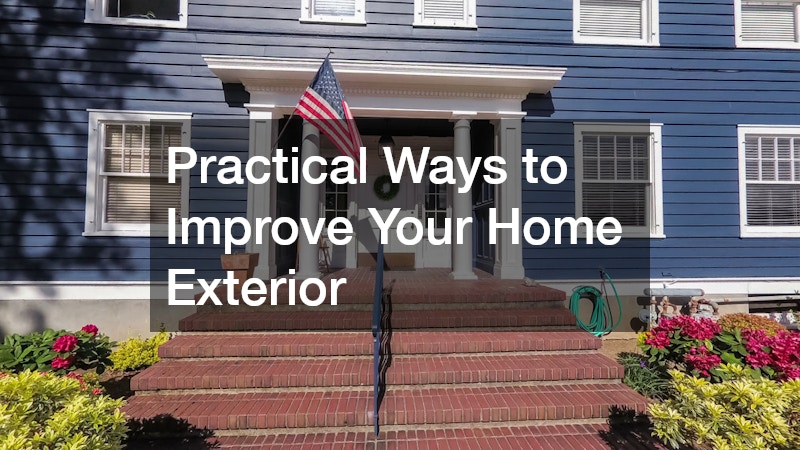
Improving your home’s exterior is about much more than making the property look attractive from the street. The outside of your home affects how safely people move around the property, how well water drains, how comfortable outdoor spaces feel, and how much maintenance you may face over time. A beautiful yard or updated patio is easier to enjoy when the basic systems around the home are also working properly.
Exterior improvements can also protect the investment you’ve already made in your home. Poor drainage, cracked walkways, clogged gutters, pest activity, outdoor leaks, and blocked mechanical equipment can all create problems that become more expensive if ignored. By looking at the property as a whole, homeowners can make smarter decisions and avoid spending money on upgrades that may need to be removed or repaired later.
The best exterior projects usually start with practical planning. Before choosing plants, furniture, lighting, or decorative finishes, it helps to look at how water moves, how people enter the home, how outdoor utilities are arranged, and what areas need repair. When each improvement supports the next, the result is an exterior that looks better, functions better, and supports everyday life.
Start With Drainage and Slope Problems

Water should be one of the first things homeowners evaluate before making exterior upgrades. After heavy rain, walk around the property and look for pooling water, muddy low spots, washed-out mulch, erosion, soggy lawn areas, or water collecting near the foundation. These signs often point to drainage problems that should be corrected before new landscaping, patios, walkways, or planting beds are added.
Poor drainage can damage more than the lawn. Water that repeatedly runs toward the house can affect siding, basement walls, crawl spaces, patios, walkways, and foundation areas. On sloped properties, soil may shift or wash away over time, making parts of the yard difficult to maintain or unsafe to use.
Retaining walls can help manage elevation changes, create flatter outdoor areas, and control soil movement. Homeowners may need a local retaining wall contractor when a yard has steep slopes, failing walls, washed-out soil, or patios that are beginning to settle. These projects require more than stacking blocks in place. The base, drainage stone, backfill, and wall height all affect long-term stability.
Drainage behind the wall is especially important. Without it, pressure can build and push the wall forward. Planning these improvements early helps protect later upgrades and gives the property a stronger foundation for future exterior work.
Repair Driveways, Walkways, and Parking Areas
Driveways and walkways are among the most visible parts of a home’s exterior, but they also affect safety and access. Cracks, potholes, uneven surfaces, crumbling edges, and standing water can create trip hazards, damage vehicles, and make the property feel neglected. These problems may also allow water to seep beneath the surface and worsen over time.
A worn driveway does not always need full replacement. In some cases, sealing, resurfacing, or targeted repairs may be enough. In other cases, a failing base, drainage issue, or badly broken surface may require more involved work. A paving company can help homeowners determine whether repair, resurfacing, or replacement makes the most sense for the condition of the surface.
Good paving work depends on preparation. Proper grading helps water move away from the home and off the paved surface. A stable base helps prevent future sinking or cracking. Edge support keeps driveways and walkways from crumbling at the sides, especially in areas that carry vehicle weight or experience freeze-thaw cycles.
Homeowners can also protect paved areas with small habits. Seal cracks before water gets underneath. Keep downspouts from draining directly onto pavement. Fix low spots before resurfacing. Choose materials that fit the home’s style, climate, and daily use. When paving is planned alongside landscaping, garage access, and front entry improvements, the finished exterior feels more complete.
Build Outdoor Spaces That Function Well
Outdoor living areas can make a home more useful and enjoyable. Patios, walkways, steps, fire pit areas, seating walls, and outdoor kitchens can extend usable living space and create places to relax, entertain, cook, or spend time with family. The key is designing these areas around how the household actually uses the property.
Before starting, think about traffic flow, shade, privacy, lighting, furniture placement, grilling areas, drainage, and access from the house. A patio that looks good in a drawing may feel cramped if there is not enough room for chairs, tables, and movement. A seating area placed in full sun may go unused without shade planning. A walkway may look attractive but become inconvenient if it does not follow the natural path people take.
A hardscaping company can help design and install durable features that fit the yard, home style, and intended use. Material choice matters because outdoor surfaces need to handle weather, water, foot traffic, and seasonal temperature changes. Pavers, stone, concrete, block, and other materials each have different maintenance needs and performance expectations.
Hardscape work should not be installed over unresolved drainage, plumbing, or utility concerns. Once patios, walls, and walkways are in place, repairs beneath them become more difficult and more expensive. Planning ahead helps prevent avoidable damage and keeps the outdoor space usable for years.
Protect the Exterior From Pest Problems
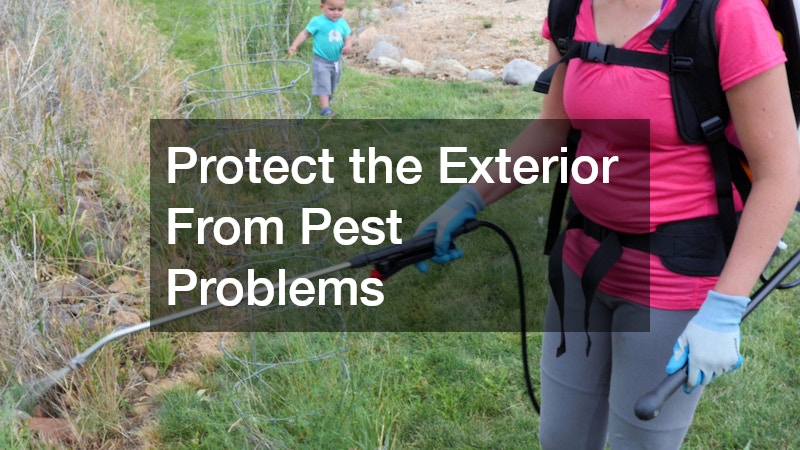
Pests can affect both the appearance and condition of your home’s exterior. Overgrown shrubs, wood piles, standing water, clogged gutters, damaged screens, and gaps around the home can attract termites, ants, wasps, rodents, mosquitoes, spiders, and cockroaches. Once pests find shelter or food near the house, they may move into walls, crawl spaces, garages, attics, or stored items.
Pest control should be part of regular exterior maintenance, especially before major landscaping or outdoor upgrades. If you install new planting beds, patios, fencing, or storage areas without addressing pest-friendly conditions, you may unintentionally make the problem worse.
Simple prevention steps can help reduce risk:
- Trim vegetation: Keep shrubs, vines, and tree branches away from siding, rooflines, and windows.
- Move firewood: Store firewood away from the home and keep it elevated when possible.
- Seal openings: Close gaps around pipes, vents, doors, and utility penetrations.
- Remove standing water: Empty containers, fix drainage problems, and keep gutters flowing.
- Protect exterior materials: Avoid piling mulch directly against siding or wood trim.
These habits help protect wood, insulation, wiring, outdoor furniture, and stored belongings. Addressing pest concerns early can also make outdoor areas more comfortable during warmer months, especially around patios, porches, decks, and play spaces.
Check Health and Safety Risks Around the Home
Exterior improvements should also include health and safety concerns that may not be obvious at first glance. Conditions around the foundation, basement, crawl space, and lower levels can affect the air inside the home. Cracks, sump pits, gaps, and soil conditions may all play a part in what enters the living space.
Radon testing is especially important for homes with basements, crawl spaces, or lower-level rooms. Radon cannot be seen or smelled, so testing is the only way to know whether levels are a concern. Homeowners often think about flooring, drywall, furniture, or finished basement upgrades before they think about air quality, but safety-related concerns should come first.
If elevated levels are found, radon solutions may be needed before investing in lower-level remodeling or heavy cosmetic work. Depending on the property, next steps may include sealing entry points, improving ventilation, installing a mitigation system, and retesting after work is complete.
This type of planning helps homeowners avoid covering up potential problem areas. It also supports healthier indoor conditions while protecting future investments in basements, workshops, guest rooms, playrooms, or home offices.
Keep Outdoor Plumbing Working Properly
Exterior plumbing is easy to ignore until something leaks, freezes, clogs, or floods. Hose bibs, irrigation lines, outdoor sinks, pool plumbing, drainage lines, sump discharge lines, sewer cleanouts, and downspout connections all deserve attention before major outdoor upgrades begin.
Small leaks can waste water and create moisture problems near the foundation. Broken hose connections can damage siding, patios, or planting beds. Poor drainage line placement can wash out soil or create icy patches in cold weather. Local plumbers can help with leaking spigots, pressure issues, broken outdoor connections, seasonal shutoff questions, and drainage concerns.
Larger projects may require plumbing contractors, especially when homeowners are adding outdoor kitchens, moving drainage lines, planning sewer-related work, or installing new utility runs. These decisions should be made before permanent surfaces are installed. Cutting into a finished patio or walkway to reach buried plumbing can be frustrating and costly.
A few practical steps can prevent problems. Repair leaking spigots quickly. Winterize outdoor water lines in cold climates. Keep cleanouts accessible. Avoid burying plumbing access points under mulch, stone, or hardscape materials. Confirm water and drain locations before installing patios, walls, or outdoor structures.
Plan Reliable Water Access for the Property
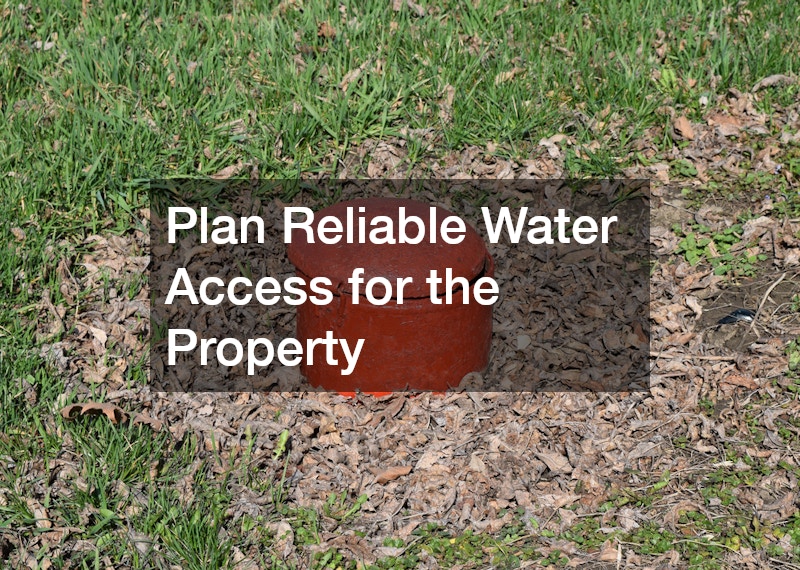
Some properties rely on private wells or need expanded water access for outdoor use. Gardens, irrigation, livestock, pools, guest houses, workshops, outdoor kitchens, and large landscapes can all increase water demand. Before adding these features, homeowners should understand the property’s available supply, pressure, and water quality.
Residential well drilling may be part of exterior improvement planning if an existing well is unreliable, low-yield, poorly located, or unable to support future use. This is not a decision to make after landscaping, paving, or hardscaping is complete. Drilling equipment needs access, and new water systems must follow setback rules and local requirements.
Homeowners should test water quality before expanding use. They should also mark existing wells, protect wellheads from heavy equipment, and plan irrigation or outdoor plumbing around the available supply. If the property already has a well, make sure contractors know where it is before work begins.
Improve Outdoor Comfort and Energy Performance
Exterior upgrades can affect indoor comfort and energy efficiency. Before adding landscaping, fencing, patios, storage areas, or outdoor rooms, check the equipment and vents around the home. Heat pump units, air conditioning condensers, dryer vents, exhaust outlets, utility meters, generator areas, and other exterior systems need space to operate properly.
Heat pump service may be useful before exterior changes are made near outdoor equipment. Poor airflow can reduce performance, increase energy use, and shorten equipment life. Shrubs, fences, furniture, leaves, debris, and storage items can all block airflow or make maintenance harder.
Homeowners should keep plants trimmed away from outdoor units, avoid placing fences too close to equipment, and leave clear access for service. Dryer vents and exhaust outlets should stay open and free of lint, leaves, snow, or landscaping materials. Equipment should not sit in areas where drainage causes standing water.
Create a Simple Exterior Improvement Plan
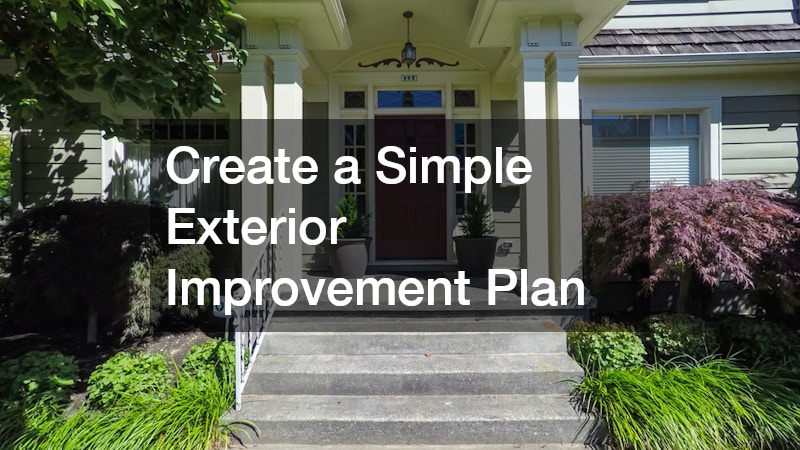
Exterior projects are easier to manage when they are completed in the right order. Many homeowners start with the most visible updates, such as plants, lighting, furniture, or decorative stone. Those improvements matter, but they should usually come after safety, water, structure, and access issues are addressed.
A practical project order may look like this:
- Inspect drainage and slope: Identify water movement, erosion, and foundation concerns first.
- Check lower-level issues: Look at basements, crawl spaces, air quality concerns, and foundation openings.
- Repair access surfaces: Address driveways, walkways, steps, and entry areas.
- Handle pest concerns: Reduce conditions that attract insects, rodents, or other unwanted activity.
- Review utilities: Confirm plumbing, water supply, outdoor equipment, and service access.
- Plan outdoor features: Add patios, seating areas, walls, lighting, and landscaping after the basics are stable.
Sequencing matters because it prevents duplicate work. It is frustrating to install a new patio and then discover a buried drainage problem. It is expensive to landscape a yard and later tear it up for utility work. Planning in stages helps protect new materials, control costs, and coordinate contractors.
Creating a simple property map can also help. Mark drainage patterns, trees, utility lines, outdoor equipment, spigots, cleanouts, existing structures, and future project areas. Then separate must-do repairs from nice-to-have upgrades. Build a contingency fund and consider long-term maintenance, not just installation costs.
Homeowners who inspect carefully and plan in the right order can avoid many common problems. Instead of treating each project as a separate upgrade, look at the property as a connected system. Water movement affects patios and foundations. Plumbing affects hardscaping. Outdoor equipment affects comfort. Pests affect both the structure and the spaces where people relax.
The most successful exterior improvements are the ones that make the home easier to use, easier to maintain, and better protected over time. A beautiful exterior starts with a property that works well, supports daily life, and helps prevent future repairs.